
In the modern connected home, the nightstand has evolved into a high-tech hub. We use MagSafe pads for iPhones, magnetic docks for Apple Watches, and perhaps even under-desk long-distance chargers embedded in furniture.
However, as we switch off the lights, a common question remains: “Is it safe to sleep next to a wireless charger all night?”
At Honghao Electronics, we have spent over a decade in PCBA (Printed Circuit Board Assembly) design and wireless power integration. We believe that understanding the underlying physics is the best way to address safety concerns. Here is a technical breakdown of how wireless power works and the safety measures we implement during manufacturing.
1. The Physics: Ionizing vs. Non-Ionizing Radiation
To discuss safety, we must first define “radiation.” In the electromagnetic spectrum, there is a critical line between Ionizing and Non-Ionizing radiation.
Ionizing Radiation (X-rays, Gamma rays): High energy that can alter DNA.
Non-Ionizing Radiation (Radio waves, Visible light, Wireless charging): Low energy that lacks the power to change the molecular structure of human cells.
Technical Fact: Wireless chargers typically operate in the 110 kHz to 205 kHz frequency range. For context, the Wi-Fi in your home operates at 2.4 GHz or 5 GHz—frequencies that are thousands of times higher than your charging pad. Wireless power is essentially a low-frequency magnetic field, similar in nature to the Earth’s own magnetic field, though much more localized.
2. Magnetic Induction: Energy with Boundaries
Wireless charging doesn’t “broadcast” power through the air like a radio tower. Instead, it relies on Magnetic Induction.
Inside a Honghao-engineered PCBA, a copper coil creates a localized magnetic field. This field only transfers energy when it “couples” with a secondary coil inside your smartphone.
Why the Field Stays Contained
A key part of our PCBA manufacturing process involves adding a Ferrite Shielding Layer behind the induction coil.
The Function: This high-permeability material acts as a magnetic conduit. It focuses the magnetic flux toward the phone and prevents it from leaking downward through the furniture or outward toward the user.
The Result: At a distance of just 5cm to 10cm (about the width of a hand), the magnetic field strength drops to nearly zero—well within the safety limits set by international standards like ICNIRP.
3. The Role of PCBA in Active Safety
While the physics of induction is inherently safe, the hardware execution determines the long-term reliability of the device. At Honghao Electronics, our experience in PCBA processing allows us to address three critical safety factors:
A. Thermal Management (The Real Safety Concern)
The primary risk in charging isn’t radiation—it’s heat. Excessive heat can degrade smartphone batteries. Our PCBA designs include NTC (Negative Temperature Coefficient) sensors that monitor temperature in real-time. If the system detects an unusual rise in heat, the firmware automatically reduces power output to protect both the device and the user.
B. Foreign Object Detection (FOD)
If a metal object (like a coin or a key) is placed on a charging pad, it could heat up via induction. Our proprietary FOD algorithms integrated into the PCBA can detect the “Q-factor” change of the coil. If a non-smartphone metal is detected, the power is cut within milliseconds to prevent any fire hazard.
C. EMI/EMC Compliance
Electromagnetic Interference (EMI) can affect other electronics. Our production line ensures that every board meets strict EMC (Electromagnetic Compatibility) requirements. This means your charger won’t interfere with your Wi-Fi, hearing aids, or other household electronics.
4. Practical Solutions for Modern Spaces
Because we handle the end-to-end PCBA production and assembly, we have developed specialized solutions that balance convenience with safety:
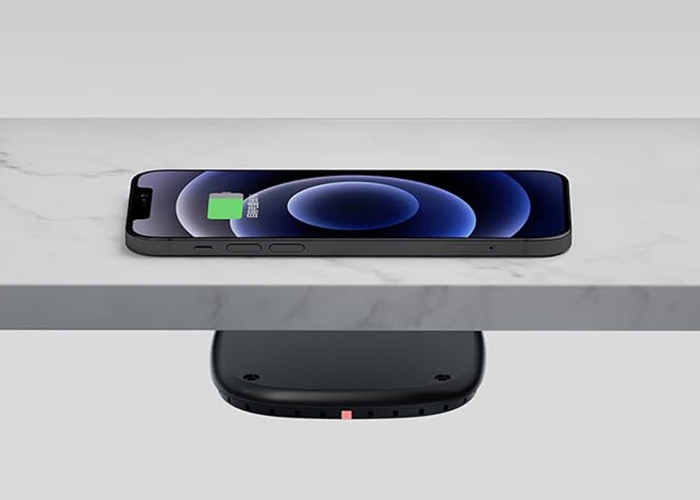
Under-Desk (Long-Distance) Wireless Chargers: These are designed to charge through surfaces up to 45mm thick. By embedding the tech under the table, the surface remains clean, and the physical barrier of the desk adds an extra layer of distance between the coil and the user.
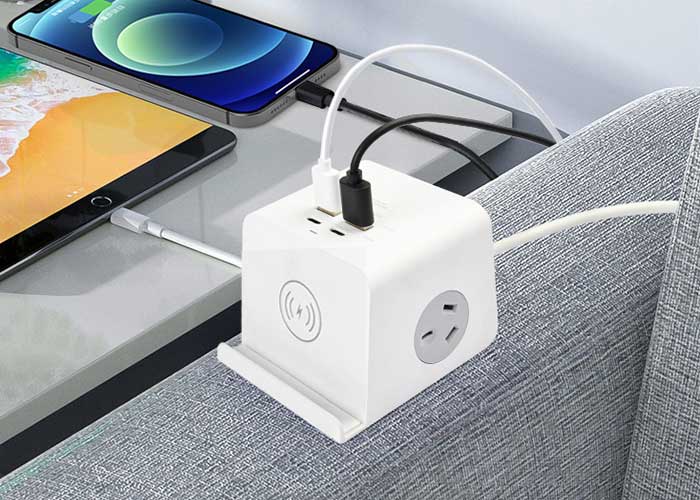
Integrated Power Strips: We combine AC outlets with wireless pads into a single PCBA. This reduces cable clutter and ensures that all power management is handled by a single, high-quality surge protection circuit.
PCBA OEM/ODM Services: For furniture manufacturers and tech brands, we provide the “internal engine”—the circuit boards that make wireless integration possible while adhering to global safety certifications.
5. Our Approach to Quality: From SMT to Final Test
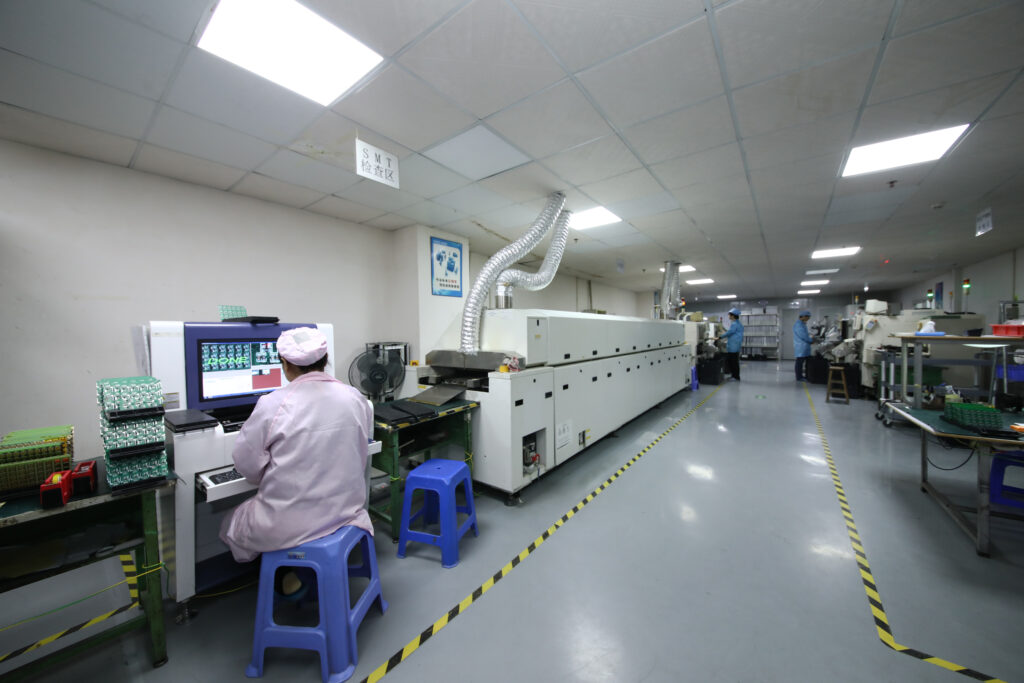
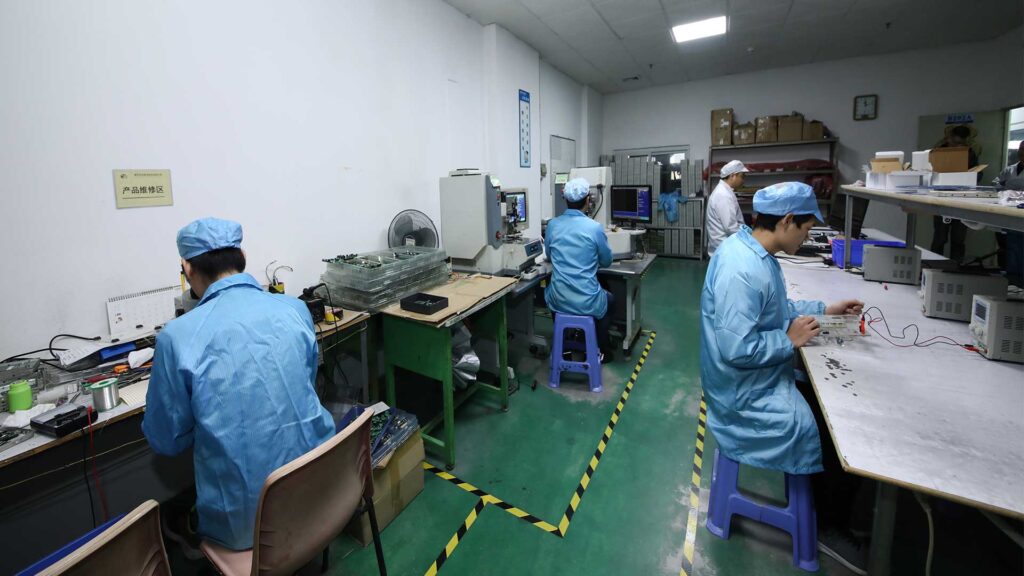
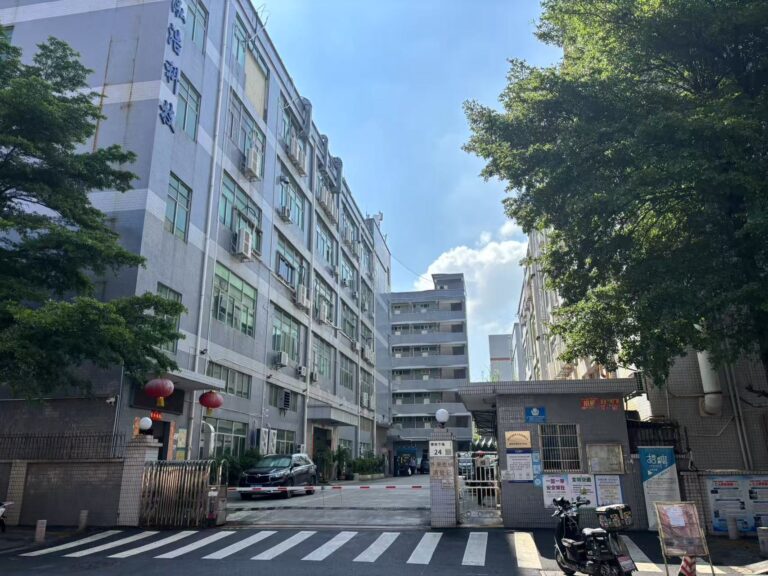
Honghao Electronics operates on a philosophy of precision over hype. Our manufacturing facility is equipped with automated SMT (Surface Mount Technology) lines, ensuring that every solder joint on a PCBA is consistent.
Component Sourcing: We use industry-standard capacitors and ICs that are rated for long-term heat resistance.
Aging Tests: Every batch of chargers undergoes rigorous aging tests to ensure the power conversion efficiency remains stable over years of use.
Certification Readiness: We design our boards to meet CE, FCC, and RoHS standards, simplifying the compliance process for our global partners.
Science-Backed Peace of Mind
Is it safe to sleep next to your wireless charger? Yes, provided the charger is built with proper shielding and intelligent thermal controls.
At Honghao Electronics, we don’t just assemble parts; we engineer power management solutions. Whether you are a consumer looking for a reliable bedside charger or a business seeking a PCBA manufacturing partner, our decade of experience ensures that safety and efficiency are never compromised.