Why Can’t a Battery Charge Forever?

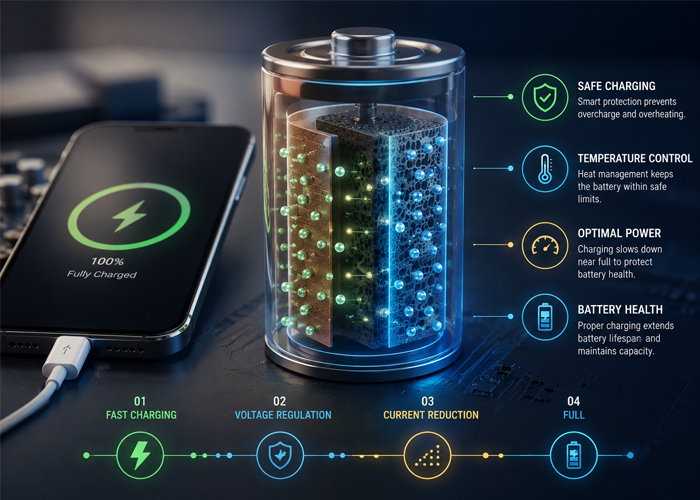
Imagine a battery that never stopped charging.
Plug it in today.
Leave it connected tomorrow.
Keep charging it for a week, a month, or even a year.
Would it eventually store more and more energy?
Of course not.
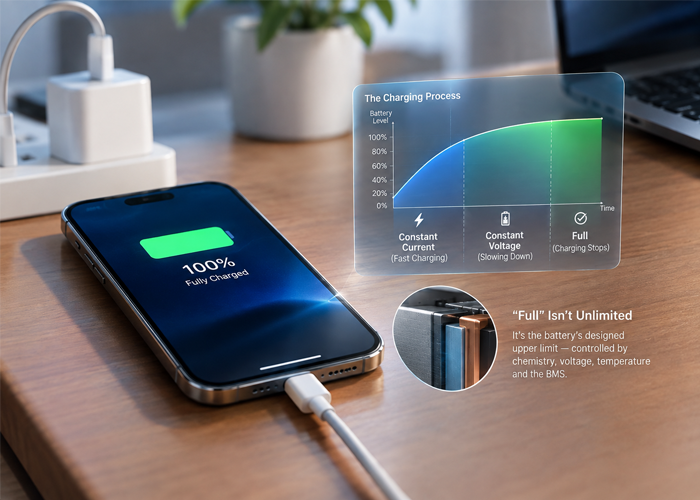
At some point, the battery reaches its designed capacity and charging must slow down or stop.
But why?
Why can’t we simply keep pushing more energy into it?

Why Can’t a Battery Charge Forever? Read More »

Your Electronics Are Never Really “Off”

You press the power button.
The screen goes black.
The lights disappear.
The device looks completely inactive.
So naturally, you assume it has stopped using electricity.
But in many electronic products, that’s not exactly what happens.
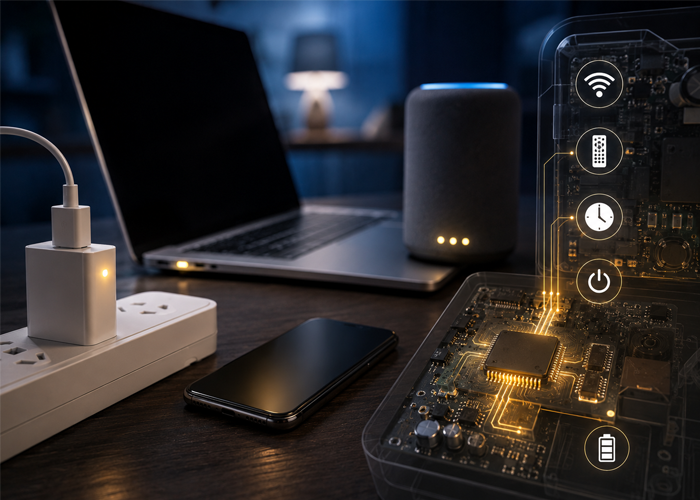
A television can still respond to a remote.
A laptop can wake when you open the lid.
A smart speaker can wait for a command.
A charger can remain plugged into the wall without doing much—but still consume a small amount of power.
The device may look “off,” but some parts of the electronics can still be active.
So what is actually happening?

Your Electronics Are Never Really “Off” Read More »

What Makes a Charger Safe?

A charger looks simple.
You plug it into a wall, connect your phone, and your battery starts charging.
There are no moving parts. No complicated controls. No obvious machinery.
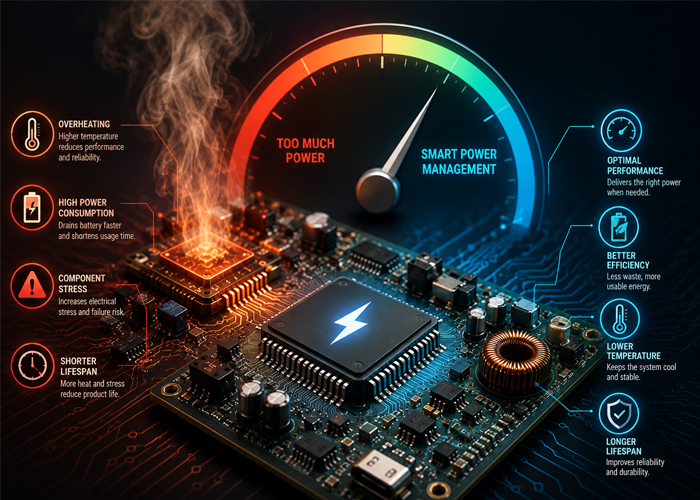
But inside that small plastic enclosure, electrical energy is being converted, regulated, monitored, and delivered to your device every second.
And that raises an important question:
What actually makes a charger safe?

What Makes a Charger Safe? Read More »

Why Simple Products Are Often the Hardest to Build

At first glance, a simple product looks easy.
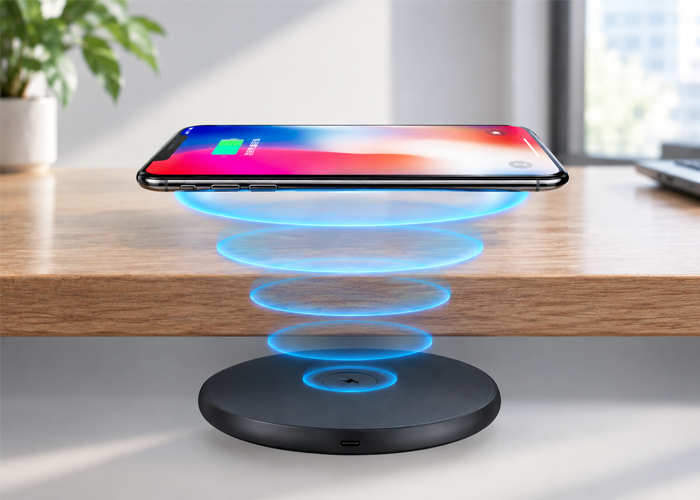
A wireless charger is just a small charging pad.
A smart socket is just a device with a few buttons.
A compact electronic module may only contain a small PCB and several components.
To users, these products appear straightforward.
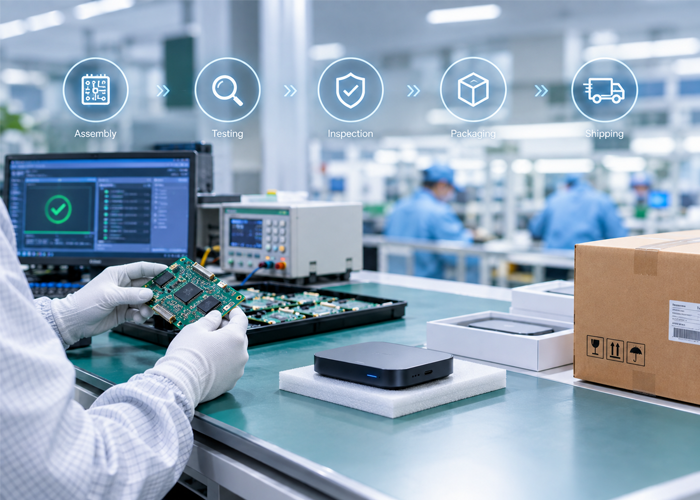
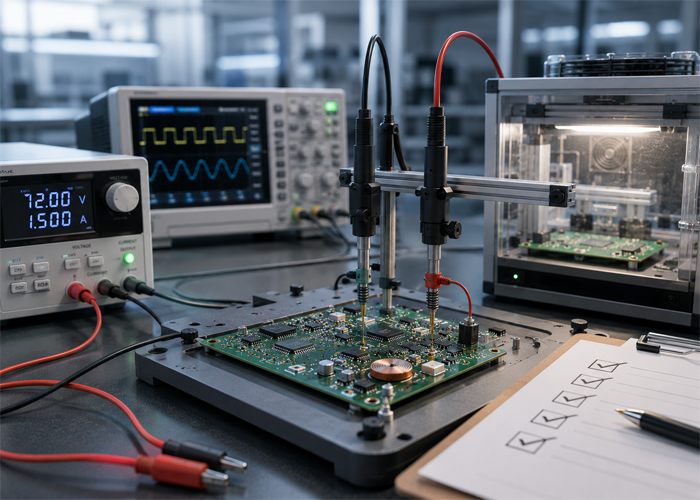
But behind every simple-looking product is a long process of engineering decisions, testing, and manufacturing challenges.

Why Simple Products Are Often the Hardest to Build Read More »