
Wireless charging technology has evolved rapidly in recent years, transforming from a convenient gadget feature into a core component of modern consumer electronics, smart homes, and industrial systems. As devices become smarter and more interconnected, expectations for wireless charging performance, safety, and integration are higher than ever.
Next-generation wireless charging systems are not just about faster charging—they are about efficiency optimization, user safety, seamless integration, and adaptability to diverse applications. For companies like Honghao Electronics, which has over 11 years of expertise in electronics manufacturing, these trends present both opportunities and challenges in product development.
This article explores the technical advancements shaping the next wave of wireless charging, the strategies to maximize efficiency and safety, and how integration with devices and environments is redefining user experience.
1. Enhancing Efficiency in Wireless Charging
Efficiency has always been a key factor in wireless charging, affecting charging speed, energy consumption, and device temperature. Recent innovations have enabled power transfer efficiencies exceeding 80–90% in many Qi2.2-compatible systems.
1.1 Optimized Coil Design
The efficiency of a wireless charger begins with coil design. Innovations in multi-layered, ferrite-backed, and litz-wire coils allow for better magnetic coupling between transmitter and receiver, reducing energy loss.
- Ferrite-backed coils focus magnetic flux and minimize interference.
- Multi-layer designs increase energy transfer without increasing the charger size.
- Adaptive coil alignment ensures consistent charging even if the device is slightly misaligned.
1.2 Intelligent Power Management
Next-generation chargers use real-time adaptive power control to optimize charging speed while minimizing heat. By monitoring the device battery status and environmental conditions, the system can dynamically adjust power output.
- Reduces unnecessary energy loss
- Prolongs device battery life
- Minimizes thermal stress on the charger
1.3 Long-Distance and Hidden Charging
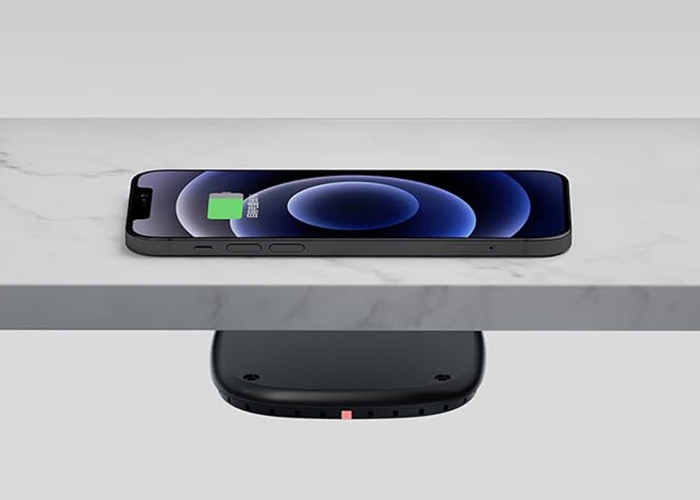
Modern applications increasingly demand 10–30mm hidden transmitters, enabling wireless charging through furniture, countertops, or other materials. Achieving high efficiency at longer distances requires:
- High-Q resonant circuits
- Advanced driver ICs capable of compensating for material attenuation
- Optimized transmitter-receiver alignment
Honghao Electronics’ R&D team has successfully implemented these designs, enabling invisible and integrated charging solutions for commercial and residential spaces.
2. Prioritizing Safety
While efficiency is important, user and device safety remain the top priority. Next-generation wireless chargers incorporate multiple safety layers beyond simple overcurrent or overvoltage protection.
2.1 Thermal Management
High-efficiency charging generates heat. Advanced systems incorporate:
- Thermal sensors at multiple points
- Automatic power throttling when temperature thresholds are reached
- Material selection to dissipate heat efficiently
2.2 Foreign Object Detection (FOD)
FOD technology identifies objects that are not compatible with wireless charging (metal items, coins, keys). Next-generation systems:
- Detect abnormal energy absorption
- Suspend charging if a foreign object is detected
- Protect both the device and the charger
2.3 Electromagnetic Compatibility (EMC)
Ensuring that chargers do not interfere with other devices is crucial, especially in smart home and industrial environments. Advanced shielding, careful PCB layout, and strict testing procedures ensure compliance with global standards such as CE, FCC, and IC.
2.4 Regulatory Compliance
Next-generation chargers are increasingly designed to meet multiple international safety certifications (UL, CB, RoHS, REACH). Manufacturers like Honghao Electronics integrate these standards into the design and testing phases, reducing delays in global product launches.
3. Seamless Integration
Efficiency and safety are essential, but integration defines the user experience. Next-generation wireless charging is moving toward invisible, multifunctional, and context-aware designs.
3.1 Embedded and Hidden Solutions
Modern workspaces and homes prefer chargers that blend seamlessly into furniture. Hidden transmitters embedded under surfaces provide:
- Minimal visual impact
- Protection from spills and wear
- Flexible placement for multiple devices
3.2 Multi-Functional Charging
The integration of multi-device and multi-function systems is becoming standard:
- Wireless charging combined with USB/AC outlets
- Integration into smart furniture and office desks
- Support for fast charging, Qi2.2 compliance, and multiple device compatibility
3.3 Smart Device Communication
Next-generation chargers are not standalone—they communicate with devices to optimize performance:
- Battery health monitoring
- Dynamic power negotiation
- Integration with mobile apps for remote management
This integration supports IoT ecosystems, where chargers become part of intelligent spaces rather than isolated components.
.png)
4. Industry Applications and Case Studies
Next-generation wireless charging systems are no longer limited to smartphones. Honghao Electronics’ solutions have been successfully applied across multiple industries:

Smart Home Environments
Commercial Spaces

Retail and Public Spaces
Automotive Integration
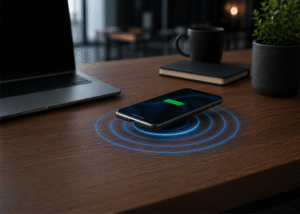
4.1 Smart Home Environments
Embedded chargers in furniture, kitchen counters, or bedside tables allow residents to charge multiple devices without cluttered cables, supporting Qi2.2 fast charging standards and long-term reliability.
4.2 Commercial Spaces
Hotels, cafes, and offices benefit from hidden wireless charging pads integrated into tables, reception desks, or workstations. This enables seamless charging for guests and employees, while maintaining a clean and professional aesthetic.
4.3 Retail and Public Spaces
Wireless charging is becoming increasingly common in retail stores, airports, libraries, and public waiting areas. Integrated charging solutions improve visitor convenience while helping businesses create more user-friendly environments.
Common applications include:
- Retail display counters
- Airport lounges
- Library study desks
- Public waiting areas
By embedding charging technology directly into furniture and fixtures, organizations can provide added value without increasing visual clutter.
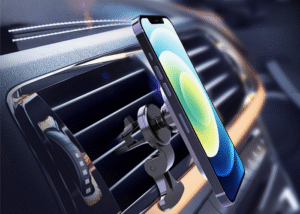
4.4 Automotive Integration
Wireless charging is now being integrated into vehicles for passenger devices. Efficiency and safety are critical due to vibration, temperature changes, and material differences. Honghao Electronics has experience designing automotive-grade wireless charging modules compliant with industry safety standards.
5. R&D and Manufacturing Excellence
Delivering next-generation wireless charging solutions requires both cutting-edge R&D and precision manufacturing.
5.1 Design and Prototyping
Engineering teams focus on:
- Optimal coil design and placement
- Thermal simulations
- EMI/EMC testing
- Long-range performance evaluation
Prototypes undergo rigorous functional and environmental testing to ensure real-world reliability.
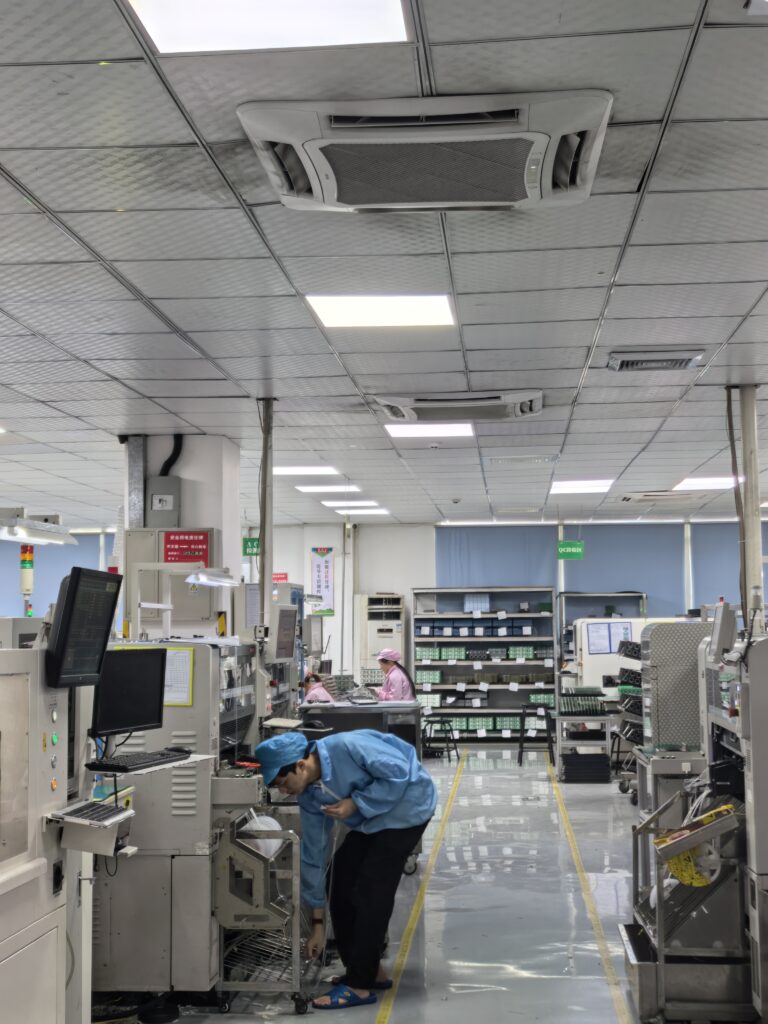
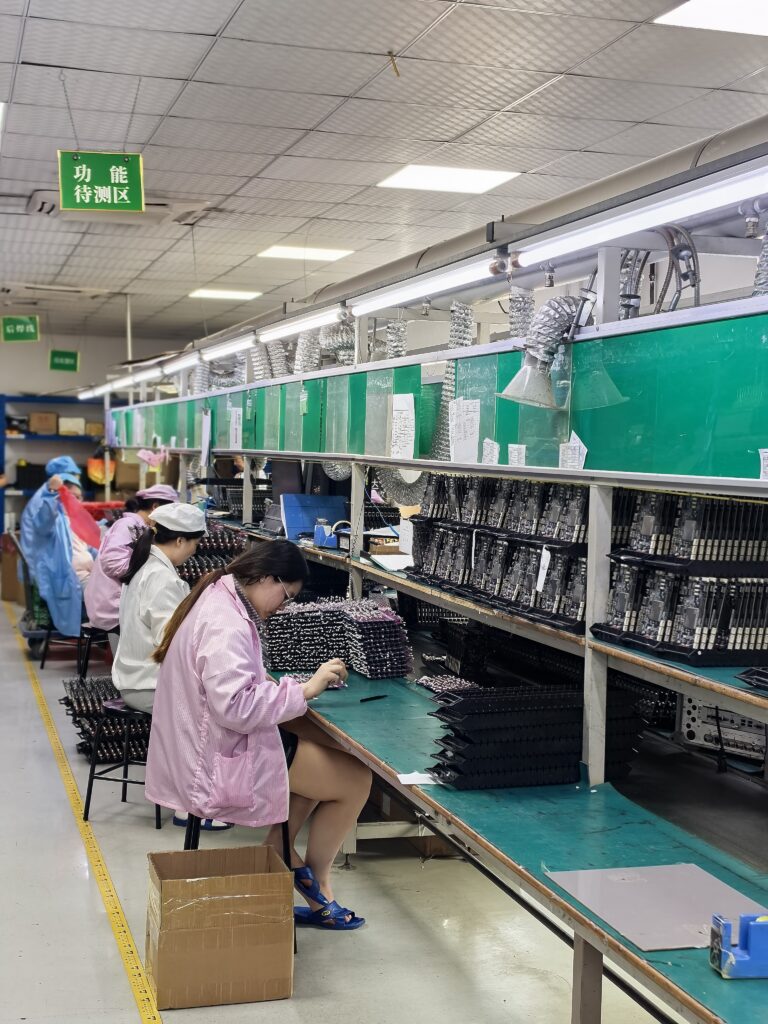
5.2 PCBA and SMT Manufacturing
High-precision PCB assembly and SMT processes are crucial for long-term performance. Key steps include:
- Accurate component placement
- Controlled soldering for thermal stability
- In-line functional testing
- Small-batch prototyping to large-scale production
5.3 Quality Assurance
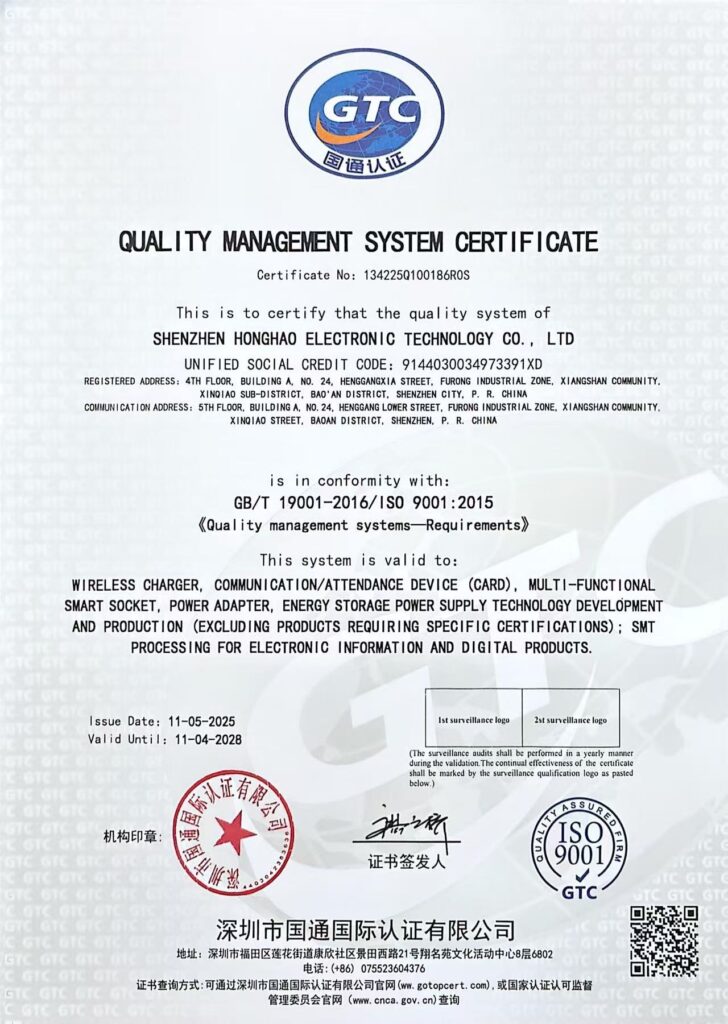
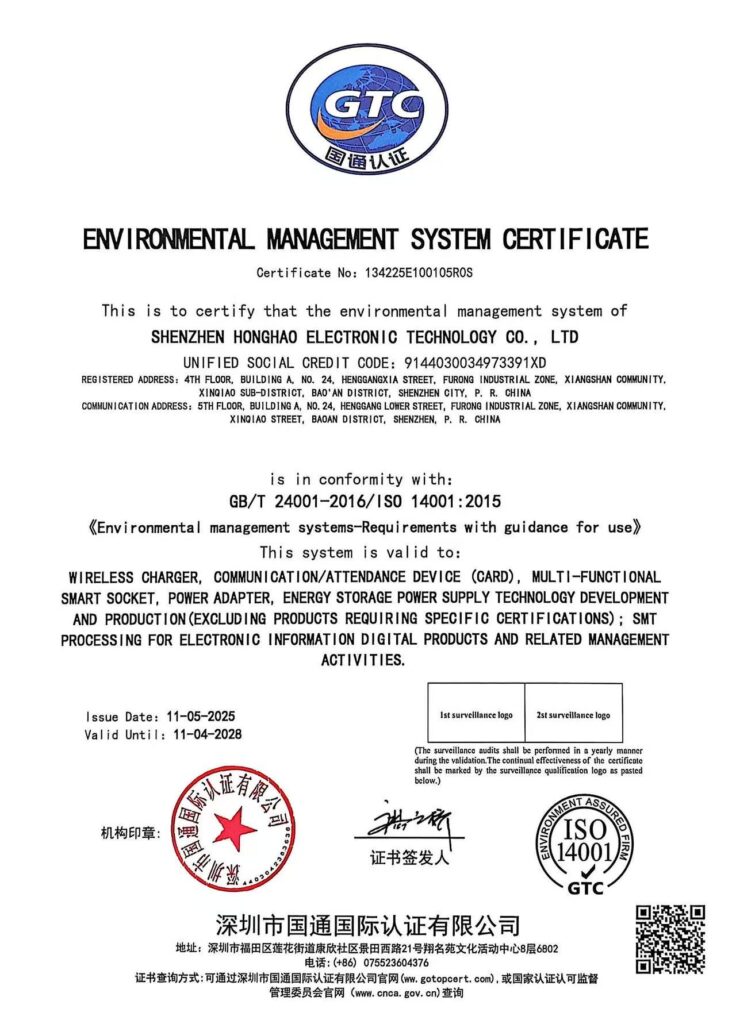
Honghao Electronics’ production facilities follow ISO9001 and ISO14001 standards, ensuring consistent quality, compliance with global regulations, and high production yield.
6. The Future of Wireless Charging
Next-generation wireless charging is expected to evolve along several key trends:
- Ultra-Fast Charging: Further improvements in efficiency and power transfer
- Longer-Range Transmission: Hidden charging through thicker materials and greater distances
- IoT and Smart Space Integration: Chargers as part of connected environments
- Sustainability: Energy-efficient designs and environmentally responsible materials
- Automotive Expansion: Greater integration in electric and autonomous vehicles
Manufacturers who combine engineering expertise, manufacturing precision, and industry experience will be best positioned to lead this evolution.
Conclusion and Call to Action
Efficiency, safety, and integration are the defining pillars of next-generation wireless charging. By balancing cutting-edge technology with practical design and manufacturing expertise, companies can deliver products that meet consumer expectations while maintaining reliability and safety.
With over 11 years of experience, Honghao Electronics provides a comprehensive suite of wireless charging solutions, RFID hardware, and precision PCBA/SMT services. Our team collaborates closely with clients to bring innovative ideas from concept to market-ready products, ensuring efficiency, safety, and seamless integration in every project.