
A prototype works.
The product looks good.
The basic functions are there.
So why can’t you simply make 10,000 more?
This is one of the biggest misunderstandings in electronic product development.
A working prototype is an important milestone, but it is not the same thing as a production-ready product.
A prototype answers one important question:
Can this idea work?
Mass production has to answer a much harder one:
Can this product be made consistently, efficiently, and reliably thousands of times?
That difference changes almost everything.
A Prototype Is Built to Learn
The first prototype is rarely perfect.
And that’s completely normal.
At the prototype stage, engineers are trying to understand how the product behaves in the real world.
They may test:
- Circuit performance
- Component selection
- Power consumption
- Thermal behavior
- Mechanical structure
- Charging performance
- Communication functions
- User experience
Something doesn’t work?
Change it.
A component needs to be replaced?
Try another one.
The PCB layout needs improvement?
Redesign it.
The goal at this stage isn’t necessarily manufacturing efficiency.
It’s learning.
A prototype is often a physical question:
“Did we build what we intended to build?”
The Design Changes Before Production
Once a prototype has been tested, engineers usually discover things that weren’t obvious during the initial design.
Maybe a component becomes too hot.
Maybe two components are difficult to place close together.
Maybe a connector isn’t mechanically strong enough.
Maybe the product works well but is too expensive to manufacture.
Maybe a component has limited availability.
These discoveries lead to design optimization.
The final production version may look almost identical to the prototype from the outside.
Inside, however, many things may have changed.
PCB layouts can be refined.
Components can be replaced.
Structures can be simplified.
Materials can be adjusted.
And manufacturing processes can be redesigned.
This stage is sometimes where a promising prototype becomes a practical product.
Components Become a Bigger Concern
One prototype may use components that are easy to source in small quantities.
Mass production is different.
Imagine needing 50 components for a prototype.
Finding them isn’t particularly difficult.
Now imagine needing hundreds of thousands of the same component.
Suddenly, engineers need to think about:
- Supply stability
- Lead times
- Cost
- Alternative components
- Component lifecycle
- Quality consistency
- Supplier reliability
A component that works perfectly in a prototype may not be the best choice for mass production.
That’s why design for manufacturing is so important.
The best component isn’t always the one with the highest specification.
It may be the one that offers the right balance between performance, availability, cost, and long-term reliability.
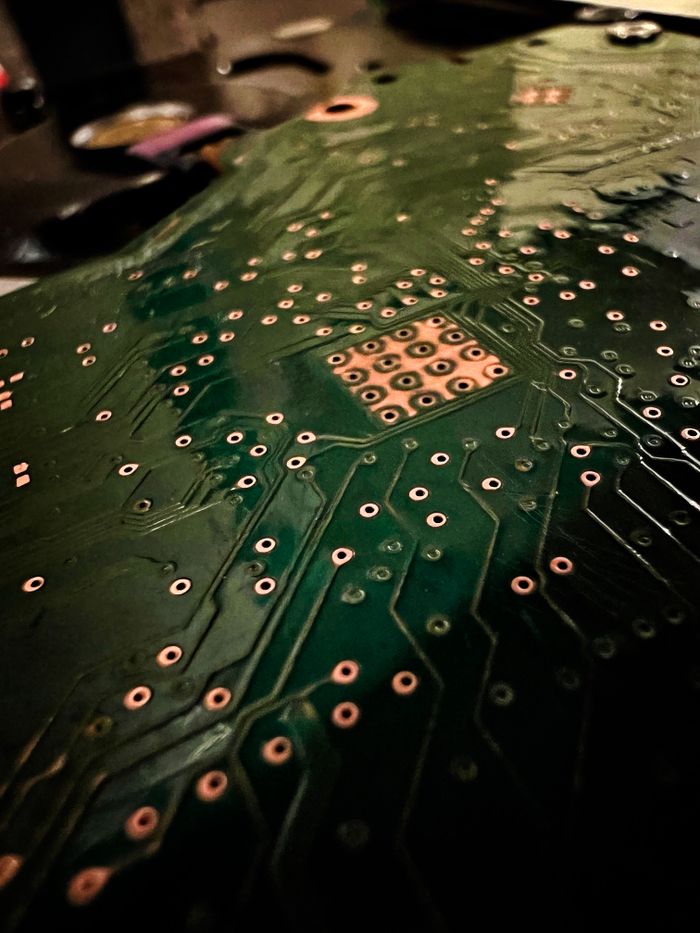
PCB Design Has to Become Production-Ready
A prototype PCB is often designed around getting the circuit working.
A production PCB has additional requirements.
Engineers need to consider:
- Component placement
- Trace routing
- Thermal performance
- Manufacturing tolerances
- Assembly efficiency
- Testing access
- Component availability
- Production consistency
A small change in PCB layout can make a significant difference during manufacturing.
For example, moving components slightly may improve automated assembly.
Changing a trace may improve electrical performance.
Adjusting component spacing may make inspection easier.
The PCB therefore has to work not only electrically, but also as part of a repeatable manufacturing process.
SMT Assembly Changes the Game
Hand-assembled prototypes can tolerate a certain amount of manual adjustment.
Mass production cannot depend on that.
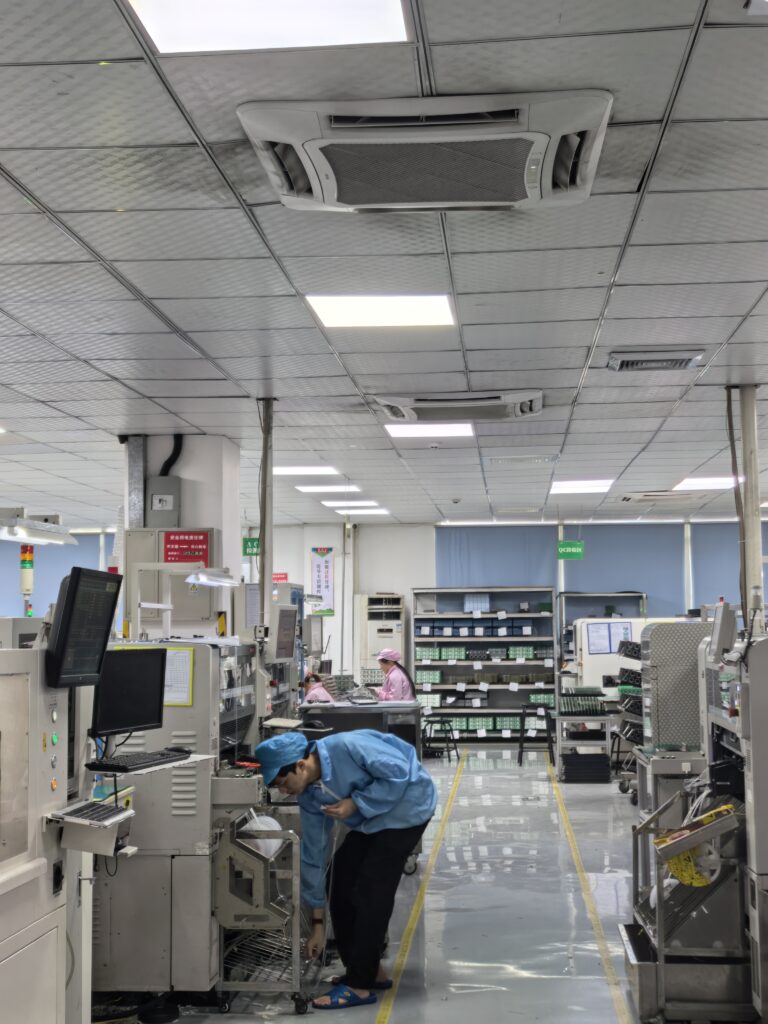
When thousands of PCBs need to be produced, SMT assembly becomes critical.
Surface-mount technology allows components to be placed and soldered efficiently using automated production equipment.
But automation doesn’t mean engineers can simply press a button.
The production process still requires careful control of:
- Component placement
- Solder paste
- Reflow temperature
- Placement accuracy
- PCB handling
- Inspection parameters
A design that is difficult to assemble can increase production time, cost, and defect rates.
This is why production engineers need to think about manufacturing before the product reaches the factory floor.
Testing Becomes More Systematic
A prototype may be tested manually by engineers.
They connect instruments, inspect signals, measure temperatures, and observe behavior.
Mass production requires something different.
Each unit needs to be checked quickly and consistently.
Depending on the product, production testing may include:
- Electrical testing
- Functional testing
- Charging testing
- Communication testing
- Temperature testing
- Safety testing
- Visual inspection
The goal is not simply to test whether one product works.
It is to make sure every product works according to the same requirements.
That’s a much bigger challenge.
Reliability Becomes More Important
A prototype may only need to operate long enough for engineers to evaluate it.
A commercial product may need to work for years.
This changes the questions engineers ask.
Instead of:
“Does it work?”
They start asking:
“How long will it work?”
“What happens at high temperature?”
“What happens after thousands of charging cycles?”
“What happens if the product operates continuously?”
“How does the product behave when components age?”
Reliability testing helps identify potential weaknesses before they become customer complaints.
The production version therefore needs to be designed not just for functionality, but for long-term use.
Cost Becomes a Design Requirement
Prototype development often focuses heavily on performance.
Mass production introduces another critical factor:
Cost.
The difference between producing one unit and producing 100,000 units can completely change the economics of a product.
Engineers may look for opportunities to:
- Reduce unnecessary components
- Simplify assembly
- Improve production efficiency
- Optimize PCB size
- Reduce material waste
- Improve component utilization
But cost reduction should not simply mean using cheaper parts.
A lower component cost that creates higher failure rates isn’t necessarily a saving.
Good manufacturing optimization looks for better efficiency without compromising reliability.
Consistency Becomes the Real Challenge
This may be the biggest difference between prototypes and mass production.
A prototype only needs to prove that one product can work.
Mass production needs to prove that thousands of products can work the same way.
That requires process control.
If one unit performs differently from another, engineers need to understand why.
Manufacturing therefore relies on controlled processes, inspection, testing, and quality management.
The objective is repeatability.
The customer shouldn’t receive:
“One of the good ones.”
They should receive a product that meets the same standard every time.
The Production Process Itself Must Be Tested
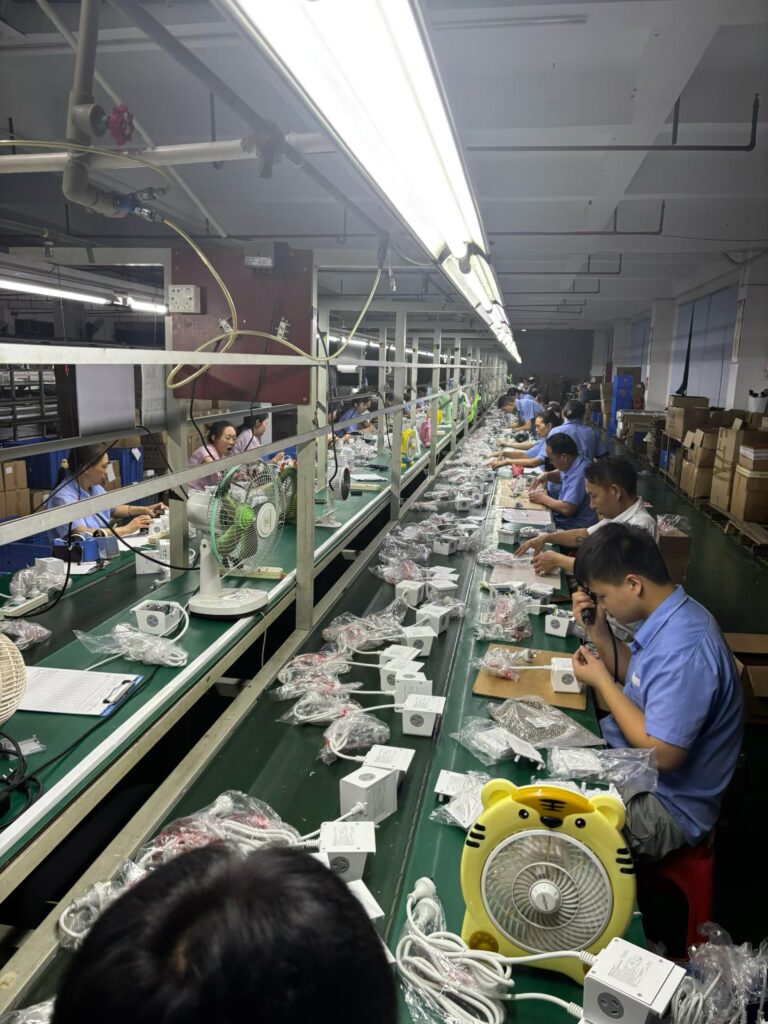
Before full-scale manufacturing begins, production teams often need to validate the manufacturing process itself.
This can involve pilot production or small production runs.
The purpose is to identify problems such as:
- Difficult assembly steps
- Unexpected component shortages
- Excessive defect rates
- Testing bottlenecks
- Packaging problems
- Production cycle time issues
This stage connects engineering and manufacturing.
A product may be technically excellent but still difficult to produce efficiently.
Pilot production helps reveal those problems before full-scale manufacturing begins.
Documentation Becomes Essential
Another major difference is documentation.
A prototype can depend heavily on the knowledge of the engineer who built it.
Mass production cannot.
Manufacturing teams need clear and repeatable information, including:
- BOMs
- PCB files
- Assembly instructions
- Test procedures
- Quality standards
- Component specifications
- Inspection requirements
The product needs to become understandable not only to its original designer, but also to everyone involved in manufacturing and quality control.
Good documentation turns individual engineering knowledge into a repeatable production process.
From “Can We Build It?” to “Can We Build It Well?”
This is ultimately what changes between prototype and mass production.
At the prototype stage, the main goal is proving the concept.
At the production stage, the goal becomes much broader.
The product must be:
Functional.
Reliable.
Manufacturable.
Testable.
Cost-effective.
Consistent.
These requirements are connected.
A change made to reduce cost may affect reliability.
A change made to improve performance may increase manufacturing complexity.
A component change may require PCB modifications.
A PCB modification may require new testing procedures.
Mass production is therefore not simply “making more.”
It’s about making the entire system work together.
Why Experience Matters
Moving from prototype to mass production requires more than manufacturing equipment.
It requires understanding how design decisions affect production.
A small PCB layout decision can influence SMT assembly.
A component choice can affect supply stability.
A mechanical change can affect assembly time.
A thermal problem can affect reliability.
A testing requirement can affect production efficiency.
The earlier these factors are considered, the easier the transition becomes.
This is why collaboration between R&D, engineering, manufacturing, and quality teams is so important.
Final Thoughts
A prototype proves that an idea can work.
Mass production proves that the idea can work repeatedly.
That’s the real difference.
Moving from one prototype to thousands of finished products involves much more than increasing production volume.
The design needs to be optimized.
Components need to be selected for long-term supply.
PCBs need to be production-ready.
SMT processes need to be controlled.
Testing needs to become systematic.
Quality needs to become measurable.
And every unit needs to meet the same expectations.
Because building one product that works is an achievement.
Building thousands that work the same way is engineering.
About Honghao Electronics
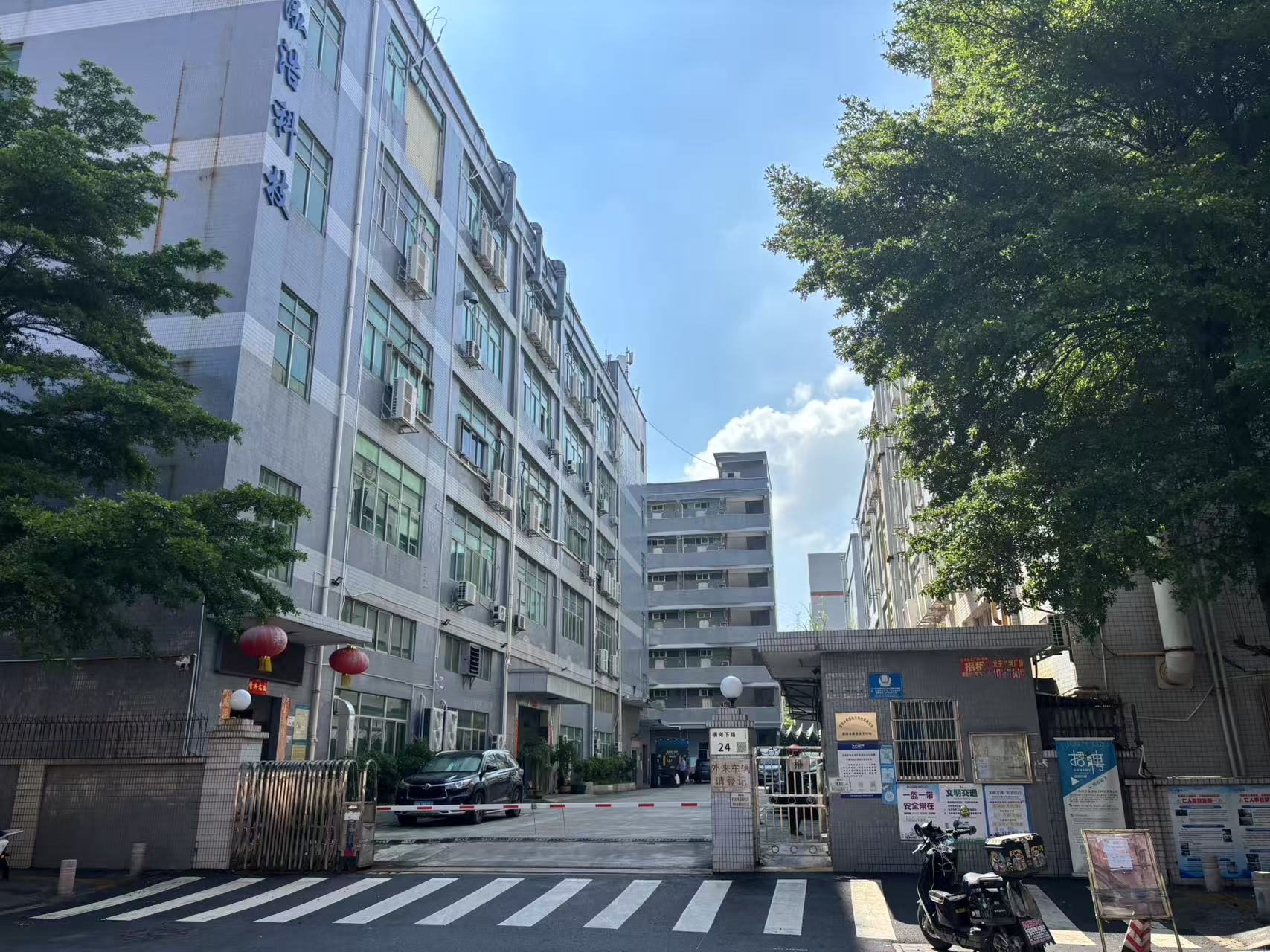
At Honghao Electronics, we believe the transition from prototype to mass production is where engineering experience truly matters.
From product development and PCBA to SMT assembly, testing, and quality control, we help turn working prototypes into practical products ready for repeatable production.
From the first prototype to the production line, we focus on making good ideas manufacturable.