
The Race to Charge Faster
A few years ago, charging your phone often meant waiting for hours before it was ready to go.
Today, many smartphones can recover a significant amount of battery power in just a few minutes.
A quick coffee break can now provide enough energy for several hours of use.
But have you ever wondered:
How can a small smartphone charge so quickly?
Is it simply because more electricity is pushed into the battery?
Not exactly.
Modern fast charging is not just about increasing power. It is a carefully engineered system involving charging protocols, power management chips, thermal control, battery chemistry, and intelligent software.
Behind every fast charge is a complex balance:
More speed, without sacrificing safety and battery life.
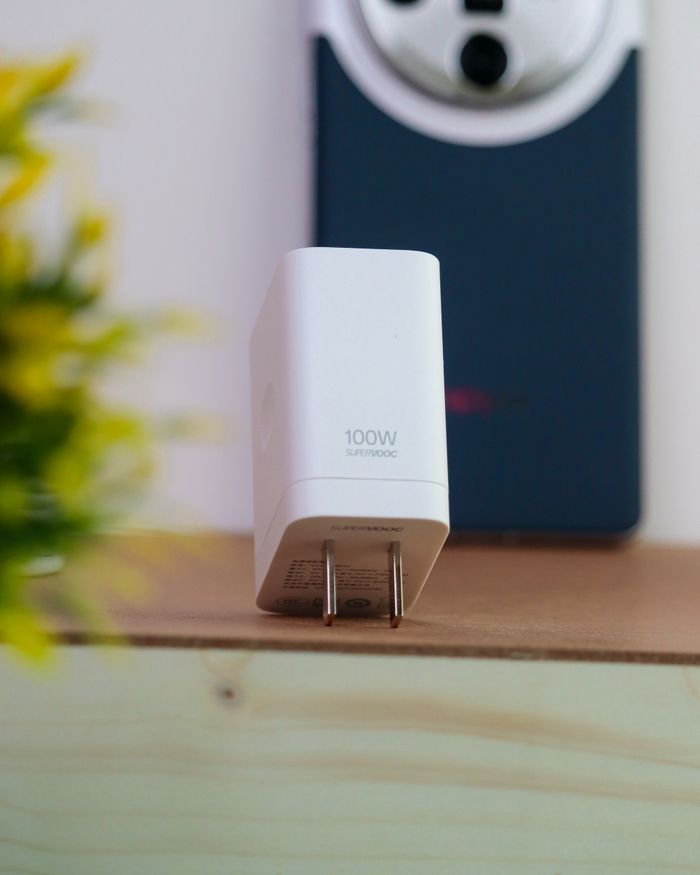
What Is Fast Charging?
At its simplest, fast charging means delivering more power to a device in a shorter amount of time.
Power is measured in watts (W), which is calculated by:
Power (W) = Voltage (V) × Current (A)
Traditional phone chargers used to provide around 5W of power.
Modern fast charging solutions can reach much higher levels, including 18W, 30W, 65W, 100W, or even higher in some devices.
However, higher wattage alone does not automatically mean better charging.
A phone cannot simply accept unlimited power.
The battery, charging circuit, and thermal system all have limits.
That is why fast charging requires communication between the charger and the smartphone.
How Does Fast Charging Actually Work?
When you connect your phone to a fast charger, several things happen almost instantly.
1. The Charger and Phone Communicate
Before delivering high power, the charger and smartphone exchange information.
They determine:
- Supported charging protocols
- Maximum voltage and current
- Battery temperature
- Current battery level
- Safe charging speed
This prevents the charger from delivering more power than the device can safely handle.
Different brands may use different charging technologies, such as:
- USB Power Delivery (USB PD)
- Programmable Power Supply (PPS)
- Proprietary fast charging systems
These technologies allow devices to dynamically adjust charging conditions.
2. Power Management Controls the Energy Flow
The electricity coming from a wall outlet cannot directly enter the battery.
It must pass through multiple conversion stages.
Inside the phone, power management components regulate:
- Voltage conversion
- Current control
- Charging efficiency
- Heat generation
The charging IC (integrated circuit) acts like a smart controller.
It constantly monitors the charging process and adjusts power delivery in real time.
Without precise control, faster charging could create excessive heat or damage the battery.
Why Does Charging Slow Down Near 100%?
Many people notice something interesting:
Their phone charges very quickly at the beginning, but much slower near full capacity.
This is intentional.
Lithium-ion batteries are not charged at the same speed throughout the entire process.
Fast charging usually happens in stages.
Stage 1: Rapid Charging
When the battery level is low, the phone can accept higher power.
This is why the first 50% often charges very quickly.
Stage 2: Controlled Charging
As the battery fills up, the system reduces charging speed.
This helps control heat and protect battery materials.
Stage 3: Final Charging
Near 100%, charging becomes slower and more carefully controlled.
This reduces stress on the battery and improves long-term battery health.
So when your phone slows down near full charge, it is not a problem.
It is actually protecting itself.
Why Does Fast Charging Generate Heat?
Heat is one of the biggest challenges in fast charging.
Whenever electrical energy is converted, some energy is lost as heat.
Higher charging power means more energy moving through the system, which increases thermal management requirements.
Heat can come from several sources:
- Charging circuits
- Battery chemical reactions
- Cable resistance
- Power conversion losses
That is why modern fast charging systems include:
- Temperature sensors
- Thermal protection
- Charging speed adjustment
- Efficient circuit design
A good fast charging solution is not just powerful.
It is also efficient.
Does Fast Charging Damage Your Battery?
This is one of the most common questions.
The short answer:
Fast charging itself does not automatically damage your battery.
Modern smartphones are designed with battery protection systems that carefully manage charging conditions.
However, repeated exposure to high temperatures can accelerate battery aging.
The factors that matter most are:
- Charging temperature
- Battery quality
- Charging system design
- Usage habits
A well-designed fast charging system balances speed and battery protection.
The goal is not simply:
“Charge as fast as possible.”
The goal is:
“Charge as fast as possible while keeping the battery healthy.”
Why Charger Quality Matters
Not all chargers are equal.
Two chargers may have the same wattage rating but deliver very different experiences.
A high-quality charger is designed with:
- Stable power output
- Safety protection
- Efficient components
- Proper thermal control
Low-quality charging accessories may have issues such as:
- Unstable voltage
- Poor heat management
- Lower conversion efficiency
- Lack of protection mechanisms
Charging technology is not only about output power.
It is about delivering energy safely and consistently.
The Hidden Technology Behind Fast Charging
From the outside, fast charging looks simple:
Plug in the cable, wait a few minutes, and the battery percentage rises.
But inside every fast-charging device, many technologies work together:
- Battery chemistry
- Charging algorithms
- Power management ICs
- PCB design
- Thermal solutions
- Safety testing
The smaller and thinner modern devices become, the more challenging power management becomes.
Engineers must find the right balance between:
- Performance
- Size
- Efficiency
- Heat
- Reliability
This is why charging technology continues to be an important area of innovation in consumer electronics.
The Future of Fast Charging
Fast charging technology continues to evolve.
Future improvements may focus on:
Higher Efficiency
Reducing energy loss and minimizing heat generation.
Smarter Charging
Using artificial intelligence and advanced algorithms to understand user habits and optimize charging.
Better Battery Materials
New battery technologies may allow faster charging while maintaining longer lifespan.
Improved Power Design
More efficient components and advanced circuit designs will help devices become faster and safer.
The future of charging is not only about reaching 100% faster.
It is about creating a better overall energy experience.
Conclusion: Fast Charging Is More Than Just Speed
Fast charging may seem like a simple improvement, but behind those few minutes of charging is years of engineering development.
A smartphone charging quickly requires cooperation between the charger, power management system, battery, and software.
The real achievement is not just delivering more power.
It is delivering power intelligently.
As electronic devices continue to become more powerful and connected, charging technology will play an increasingly important role in everyday life.
At Honghao Electronics, we understand that reliable charging starts from careful engineering—from power management design and PCB solutions to wireless charging technologies and electronic manufacturing processes.
Because the future of charging is not only faster.
It is smarter, safer, and more efficient.